

Home décor is more than just furniture and paint colors—it reflects the culture, technology, and values of its time. From ancient civilizations to modern minimalism, the way humans decorate their homes tells a fascinating story about history, society, and personal expression. Let’s take a journey through the ages and see how our homes have transformed.
1. Ancient Homes: Function Over Fashion
In the earliest civilizations, homes were primarily about shelter. Ancient Egyptians, Greeks, and Romans focused on durability and function.
-
Egyptian Homes (3100–30 BC): Egyptian interiors were simple but elegant. Walls were painted with bright murals, and furniture was minimal—often just stools and low tables. Wealthy homes showcased ornate beds and chairs made from wood, ivory, and gold.
-
Greek Homes (800–146 BC): Greek décor emphasized proportion and harmony. Courtyards were central, and interiors included mosaics, pottery, and frescoes that reflected mythology and daily life.
-
Roman Homes (27 BC–476 AD): Romans introduced luxurious touches, like mosaic floors, wall frescoes, and elaborately carved furniture. Villas often had atriums and peristyles, blending indoor and outdoor living.
Key Takeaway: Early home décor combined practicality with status and cultural symbolism.
2. Medieval and Renaissance Homes: The Age of Ornamentation
During the Middle Ages, homes were built for defense rather than style, but décor evolved significantly during the Renaissance.
-
Medieval Europe (5th–15th Century): Homes were mostly stone or timber, with heavy furniture, tapestries, and fireplaces for warmth. Decoration was limited to functional items, but castles and manors began showing wealth through carved woodwork and metal accents.
-
Renaissance (14th–17th Century): Renaissance décor emphasized artistry. Ornate furniture, frescoed ceilings, and intricate textiles became popular. Homes started reflecting the owner’s taste and social status.
Key Takeaway: Décor shifted from pure utility to artistic expression, especially in wealthy homes.
3. Baroque and Rococo: The Art of Excess
The 17th and 18th centuries brought opulence and drama.
-
Baroque (1600–1750): Characterized by grandeur, Baroque interiors used bold colors, gilded moldings, heavy drapes, and intricate furniture. The goal was to impress guests and showcase power.
-
Rococo (1720–1780): A reaction to Baroque’s heaviness, Rococo focused on lightness, elegance, and whimsy. Pastel colors, curved furniture, and delicate ornamentation created a playful, airy feel.
Key Takeaway: Décor became a statement of wealth and sophistication, blending art and lifestyle.
4. 19th Century: Victorian Eclecticism
The Victorian era embraced a mix of styles, reflecting industrial advances and global influence.
-
Victorian Homes (1837–1901): Interiors were densely decorated with patterned wallpapers, heavy drapery, and an abundance of furniture. Collectibles, books, and knickknacks filled every space. This era celebrated the homeowner’s identity through a curated collection of objects.
Key Takeaway: Victorian décor favored maximalism and personal storytelling through possessions.
5. Early 20th Century: Modernism and Minimalism
The 1900s marked a radical shift in design philosophy.
-
Art Deco (1920s–1930s): Inspired by geometric shapes, bold colors, and luxury materials, Art Deco homes balanced elegance with modernity.
-
Mid-Century Modern (1940s–1960s): Clean lines, functional furniture, and open spaces defined mid-century décor. Designers like Charles and Ray Eames emphasized simplicity, practicality, and beauty.
Key Takeaway: Form began to follow function, and less became more, setting the stage for contemporary styles.
6. Contemporary and Modern Homes: Personal Expression
Today, home décor is incredibly diverse. People combine aesthetics, comfort, sustainability, and technology.
-
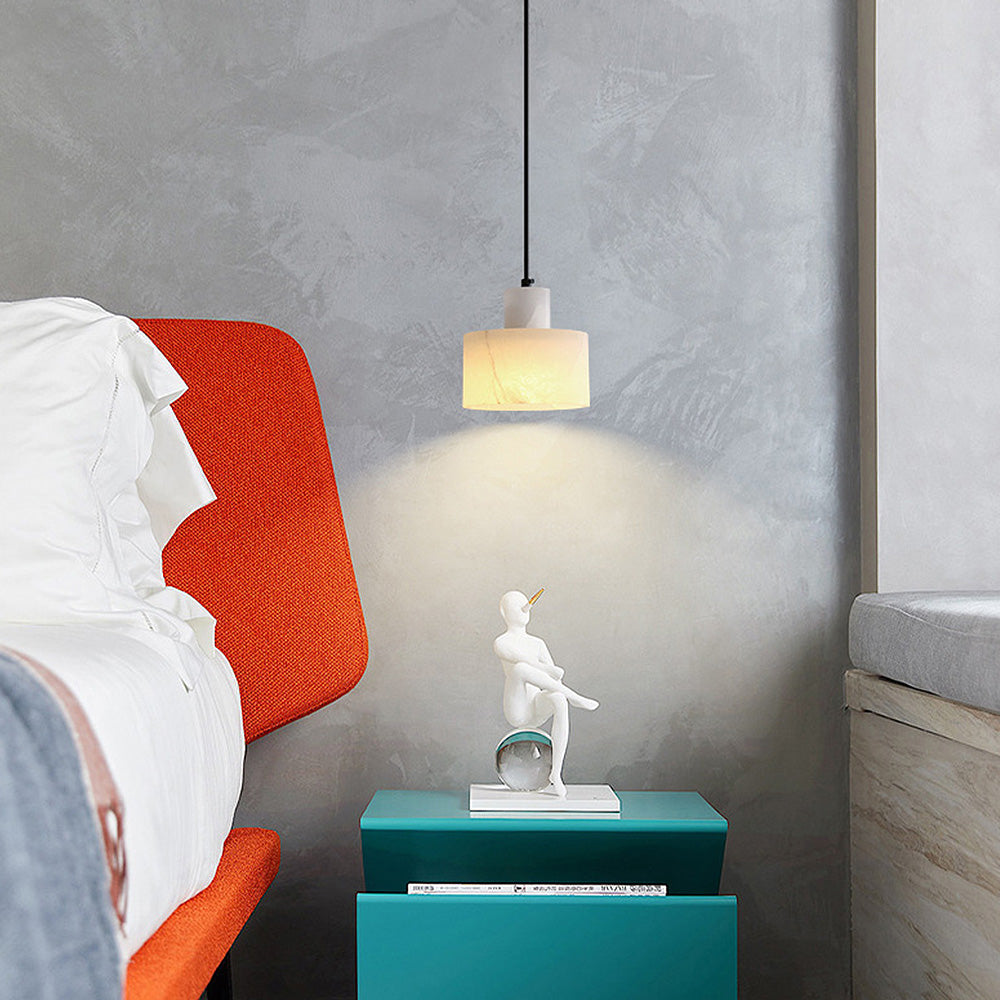
Minimalism: Focuses on decluttered spaces, neutral palettes, and high functionality.
-
Eclectic Style: Mixes vintage, modern, and global influences. Personal taste dominates over strict rules.
-
Smart Homes: Technology integrates seamlessly with décor, from automated lighting to sleek, hidden appliances.
-
Sustainable Design: Eco-friendly materials and energy-efficient designs reflect growing environmental awareness.
Key Takeaway: Modern décor celebrates individuality, sustainability, and technology while drawing inspiration from the past.
7. Why Home Décor Matters
Our homes are more than shelters—they are reflections of who we are. Décor influences mood, productivity, and well-being. Understanding its history not only enriches our appreciation for style but also inspires creativity in designing our own spaces.
Conclusion
From functional ancient dwellings to luxurious Baroque estates and modern minimalist homes, home décor has always evolved with society. Each era tells a story about culture, technology, and values, shaping the way we live and interact in our spaces. By exploring décor through the ages, we gain a deeper understanding of design and how it reflects human history—while also inspiring our own homes today.

Leave a comment
This site is protected by hCaptcha and the hCaptcha Privacy Policy and Terms of Service apply.