

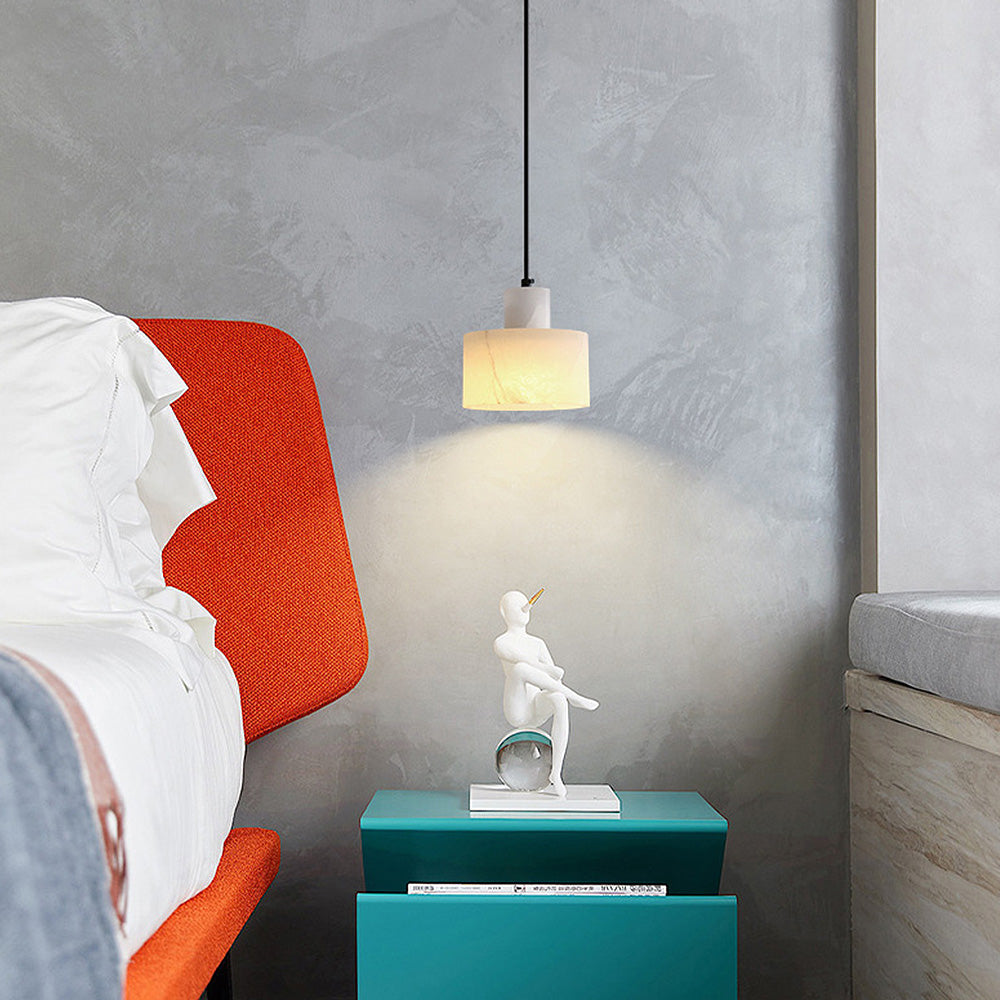
The way we decorate our homes today is far from random—it’s deeply rooted in centuries of design evolution. While modern interiors often feel sleek and minimalist, traces of history quietly shape our choices, from furniture styles to color palettes. Understanding these connections can help you create a home that feels timeless, stylish, and personally meaningful.
1. Classical Elegance in Modern Spaces
Ancient Greek and Roman homes prioritized symmetry, proportion, and balance—principles that are still foundational in interior design today.
-
Symmetry and Balance: Open-plan layouts, aligned furniture, and even decorative elements like mirrors or art often reflect the classical love of harmony.
-
Natural Materials: Stone, wood, and clay, popular in antiquity, continue to be staples in modern kitchens, bathrooms, and flooring.
Modern Takeaway: Minimalist and contemporary designs often echo classical ideas of order and proportion, proving that elegance never goes out of style.
2. Victorian Opulence Inspires Personalization
Victorian décor celebrated individuality, with layered patterns, textiles, and curated collections. Today, these ideas are evident in the trend of personalized interiors.
-
Gallery Walls: Displaying art, photos, and memorabilia draws inspiration from Victorian walls filled with portraits and collectibles.
-
Layering Textiles: Mixing rugs, curtains, and cushions adds warmth and character, just as Victorians used rich fabrics to create cozy, lived-in spaces.
Modern Takeaway: Personalization and layering make homes feel curated and unique—an homage to Victorian sensibilities.
3. Art Deco and Mid-Century Modern Shape Modern Minimalism
The early 20th century’s focus on sleek lines, geometry, and functionality heavily influences today’s interiors.
-
Clean Lines: Mid-century furniture with tapered legs and streamlined forms remains a favorite for modern minimalist spaces.
-
Geometric Accents: From patterned tiles to modern light fixtures, Art Deco’s love of geometry is everywhere.
-
Functional Beauty: Combining utility with aesthetics—think storage ottomans or modular furniture—is a modern adaptation of these eras’ principles.
Modern Takeaway: Function, form, and subtle glamour from the 20th century continue to define stylish, livable spaces.
4. Sustainability and Historical Practices
Ancient and traditional homes often used locally sourced, natural materials—long before “sustainability” became a buzzword. Today, this historical approach informs eco-conscious interior design.
-
Wood, Stone, and Clay: Natural materials reduce environmental impact and provide timeless aesthetics.
-
Durability over Trend: Investing in quality, long-lasting furniture mirrors traditional practices where longevity was key.
Modern Takeaway: Sustainable design is not just trendy; it’s a return to historically wise ways of building and decorating.
5. Eclecticism: A Mix of Eras in One Home
Modern eclectic interiors borrow freely from the past, combining historical motifs with contemporary elements.
-
Rococo Meets Minimalism: A delicate chandelier can shine in a sleek, modern living room.
-
Victorian Meets Industrial: Ornate mirrors or vintage chairs pair surprisingly well with metal shelving or concrete floors.
-
Global Influence: Just like past eras were inspired by travel and trade, modern interiors mix patterns, textiles, and styles from around the world.
Modern Takeaway: History provides a rich palette of ideas, allowing homeowners to experiment without fear.
6. Lessons for Designing Your Home Today
Studying historical décor can help you create a home that is:
-
Timeless: Incorporating classic elements ensures your space won’t feel dated.
-
Balanced: Symmetry, proportion, and layering create harmony.
-
Personal: Drawing inspiration from multiple eras encourages individuality.
-
Sustainable: Durable materials and thoughtful design echo centuries of wisdom.
Conclusion
Even as we embrace modern aesthetics, history quietly influences every corner of our homes. From classical proportions and Victorian layering to Art Deco geometry and sustainable materials, the past provides endless inspiration for designing spaces that feel beautiful, functional, and personal. By understanding these influences, you can craft a home that’s truly timeless—one that honors history while embracing your own style.

Leave a comment
This site is protected by hCaptcha and the hCaptcha Privacy Policy and Terms of Service apply.